Steel Boned Corsets
Steel boned corsets here come almost entirely from Daisy Corsets, under its Top Drawer and Lavish lines, with a few Coquette metal boned styles. Underbust and overbust corsets, waist cinchers and curvy cut designs appear in satin, brocade, velvet, cotton, denim, PVC and patent. Nearly every style is sized Small through 6X.
Showing 1–100 of 327 results
-

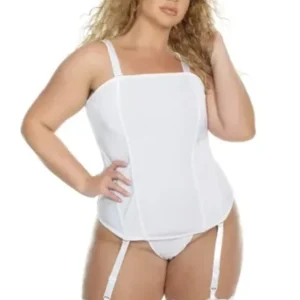
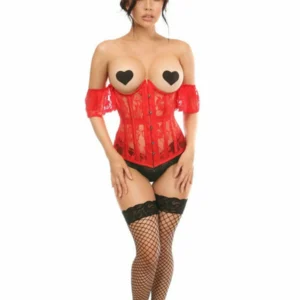
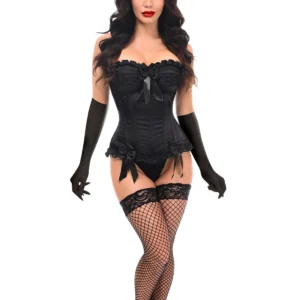
Coquette Diva Metal Boned Corset
$63.99 Select options This product has multiple variants. The options may be chosen on the product page Compare -
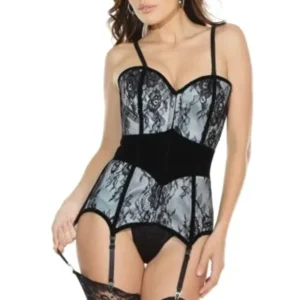
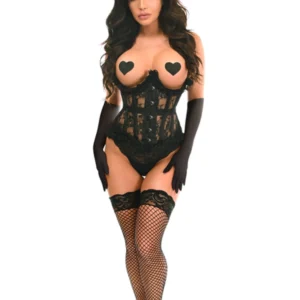
Coquette Lace over Satin Metal Boned Corset
$74.99 Select options This product has multiple variants. The options may be chosen on the product page Compare -
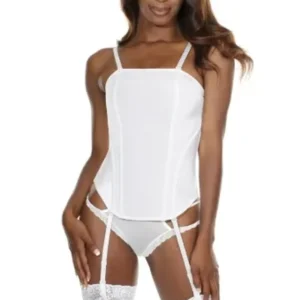
Coquette Metal Boned Corset with Control Lining
$58.99 Select options This product has multiple variants. The options may be chosen on the product page Compare -
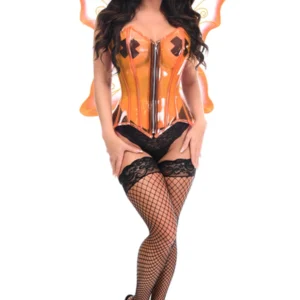
Lavish 2 PC Clear Orange Pixie Fairy Corset Costume
Price range: $140.00 through $146.00 Select options This product has multiple variants. The options may be chosen on the product page Compare -
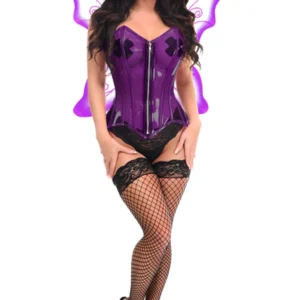
Lavish 2 PC Clear Purple Pixie Fairy Corset Costume
Price range: $140.00 through $146.00 Select options This product has multiple variants. The options may be chosen on the product page Compare -
Lavish 2 PC Green Pixie Corset Costume by Daisy Corsets
Price range: $140.00 through $146.00 Select options This product has multiple variants. The options may be chosen on the product page Compare -
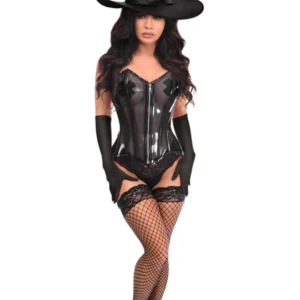
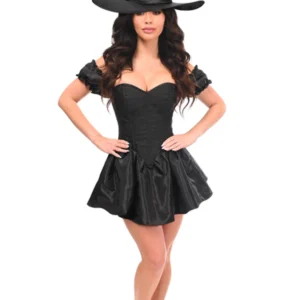
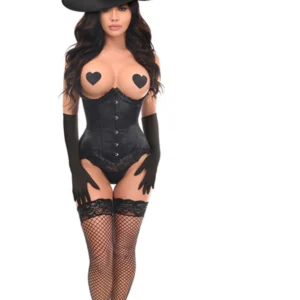
Lavish 3 PC Clear Black Witch Corset Costume by Daisy Corsets
Price range: $150.00 through $156.00 Select options This product has multiple variants. The options may be chosen on the product page Compare -
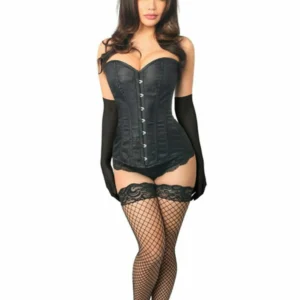
Lavish 4 PC Clear Black Bunny Corset Costume by Daisy Corsets
Price range: $150.00 through $156.00 Select options This product has multiple variants. The options may be chosen on the product page Compare -
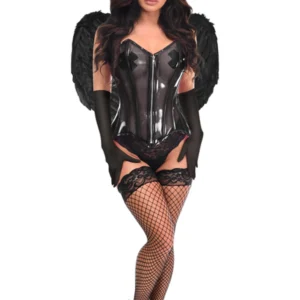
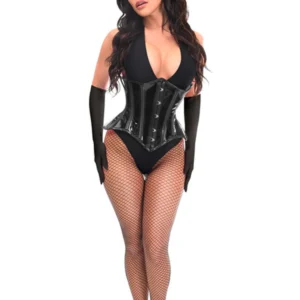
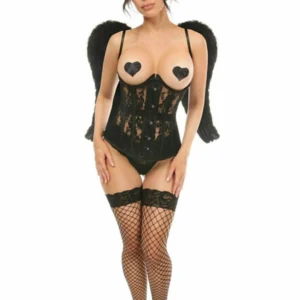
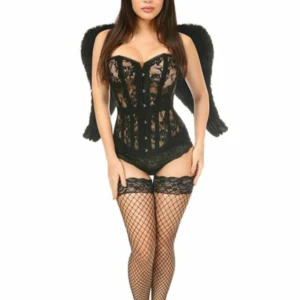
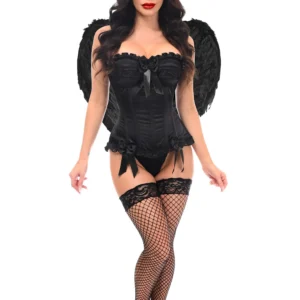
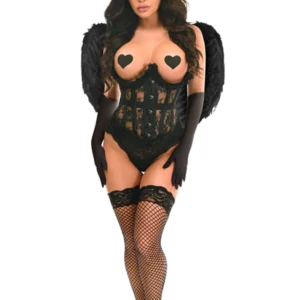
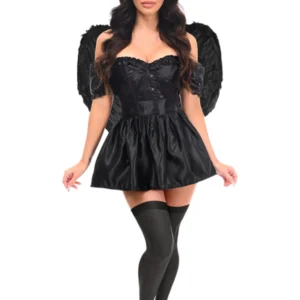
Lavish 4 PC Clear Black Dark Angel Corset Costume
Price range: $150.00 through $156.00 Select options This product has multiple variants. The options may be chosen on the product page Compare -
Lavish 4 PC Clear Red Sexy Bunny Corset Costume by Daisy Corsets
Price range: $150.00 through $156.00 Select options This product has multiple variants. The options may be chosen on the product page Compare -
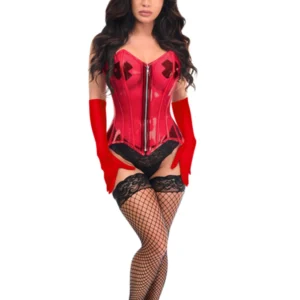
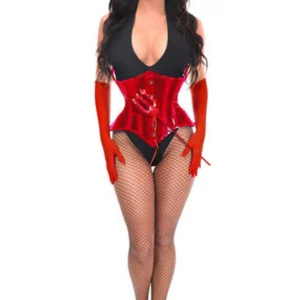
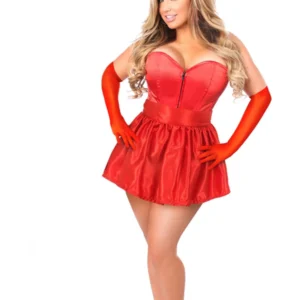
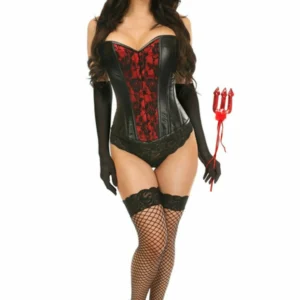
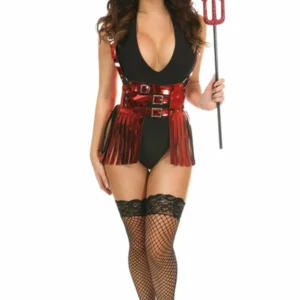
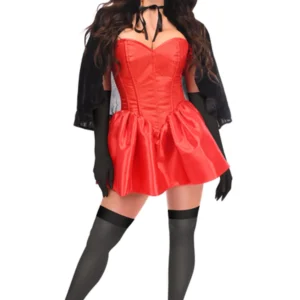
Lavish 4 PC Clear Red Sexy Devil Corset Costume by Daisy Corsets
Price range: $150.00 through $156.00 Select options This product has multiple variants. The options may be chosen on the product page Compare -
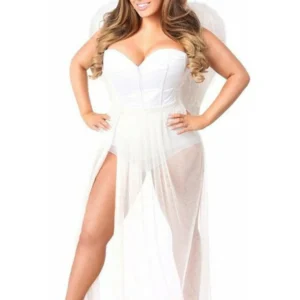
Lavish 4 PC Glitter Fantasy Angel Corset Costume by Daisy Corsets
Price range: $61.99 through $188.00 Select options This product has multiple variants. The options may be chosen on the product page Compare -
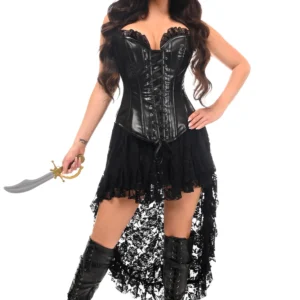
Lavish 4 PC Sexy Swashbuckler Pirate Corset Costume
Price range: $200.00 through $206.00 Select options This product has multiple variants. The options may be chosen on the product page Compare -
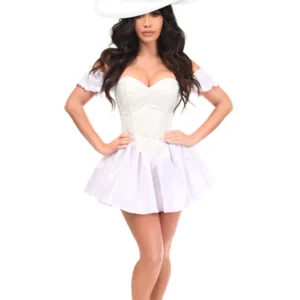
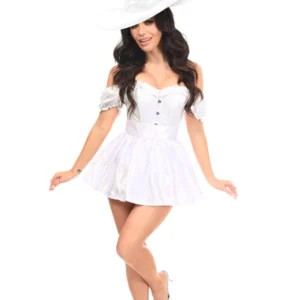
Lavish 4 PC White Witch Corset Costume by Daisy Corsets
Price range: $120.00 through $126.00 Select options This product has multiple variants. The options may be chosen on the product page Compare -
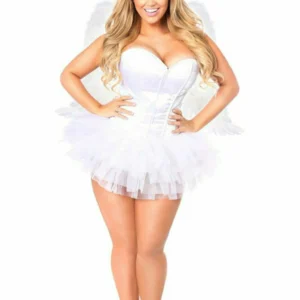
Lavish 5 PC Sweet Angel Corset Costume by Daisy Corsets
Price range: $130.00 through $136.00 Select options This product has multiple variants. The options may be chosen on the product page Compare -
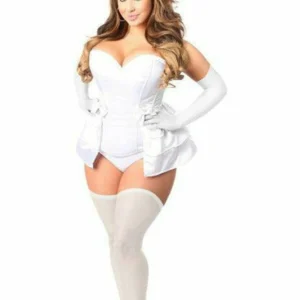
Lavish 5 PC White Bunny Corset Costume by Daisy Corsets
Price range: $120.00 through $126.00 Select options This product has multiple variants. The options may be chosen on the product page Compare -
Lavish Angel Corset Costume by Daisy Corsets
Price range: $100.00 through $116.00 Select options This product has multiple variants. The options may be chosen on the product page Compare -
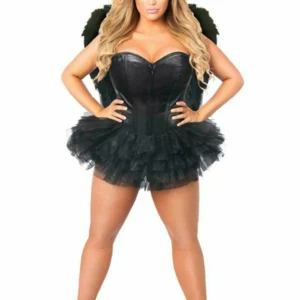
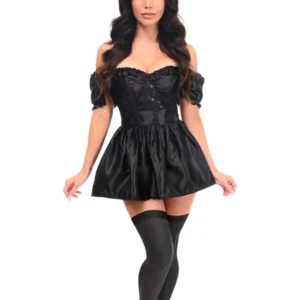
Lavish Angel of Darkness Corset Costume by Daisy Corsets
Price range: $120.00 through $126.00 Select options This product has multiple variants. The options may be chosen on the product page Compare -
Lavish Brocade Bunny Corset Costume by Daisy Corsets
Price range: $100.00 through $106.00 Select options This product has multiple variants. The options may be chosen on the product page Compare -
Lavish Daring Bunny Corset Costume by Daisy Corsets
Price range: $99.99 through $116.00 Select options This product has multiple variants. The options may be chosen on the product page Compare -
Lavish Daring Lace Bunny Corset Costume by Daisy Corsets
Price range: $120.00 through $126.00 Select options This product has multiple variants. The options may be chosen on the product page Compare -
Lavish Devilicious Corset Costume by Daisy Corsets
Price range: $120.00 through $126.00 Select options This product has multiple variants. The options may be chosen on the product page Compare -
Lavish Fairytale Princess Costume by Daisy Corsets
Price range: $200.00 through $206.00 Select options This product has multiple variants. The options may be chosen on the product page Compare -
Lavish Festival Bunny Corset Costume by Daisy Corsets
Price range: $140.00 through $146.00 Select options This product has multiple variants. The options may be chosen on the product page Compare -
Lavish Festival Devil Corset Costume by Daisy Corsets
Price range: $140.00 through $146.00 Select options This product has multiple variants. The options may be chosen on the product page Compare -
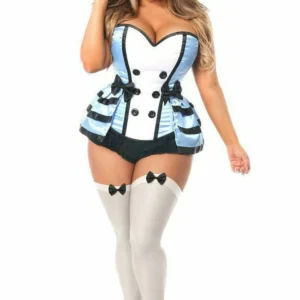
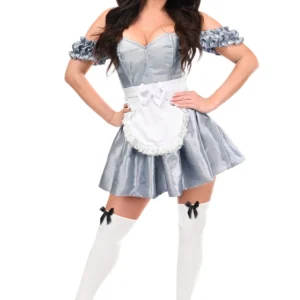
Lavish Flirty Alice Corset Costume by Daisy Corsets
Price range: $170.00 through $176.00 Select options This product has multiple variants. The options may be chosen on the product page Compare -
Lavish Flirty Angel Corset Costume by Daisy Corsets
Price range: $100.00 through $106.00 Select options This product has multiple variants. The options may be chosen on the product page Compare -
Lavish Flirty Bunny Corset Costume by Daisy Corsets
Price range: $140.00 through $146.00 Select options This product has multiple variants. The options may be chosen on the product page Compare -
Lavish Flirty Cop Corset Costume by Daisy Corsets
Price range: $100.00 through $106.00 Select options This product has multiple variants. The options may be chosen on the product page Compare -
Lavish Flirty Dark Angel Corset Costume by Daisy Corsets
Price range: $100.00 through $106.00 Select options This product has multiple variants. The options may be chosen on the product page Compare -
Lavish Flirty Mouse Costume by Daisy Corsets
$100.00 Select options This product has multiple variants. The options may be chosen on the product page Compare -
Lavish Glitter Fantasy Angel Corset Costume by Daisy Corsets
Price range: $130.00 through $136.00 Select options This product has multiple variants. The options may be chosen on the product page Compare -
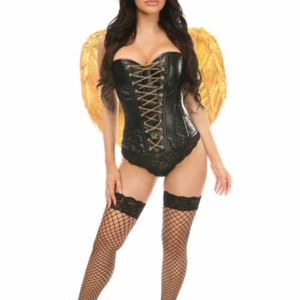
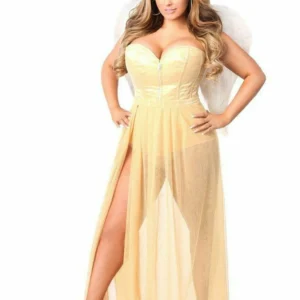
Lavish Golden Angel Corset Costume by Daisy Corsets
Price range: $130.00 through $136.00 Select options This product has multiple variants. The options may be chosen on the product page Compare -
Lavish Gothic Devil Corset Costume by Daisy Corsets
Price range: $110.00 through $116.00 Select options This product has multiple variants. The options may be chosen on the product page Compare -
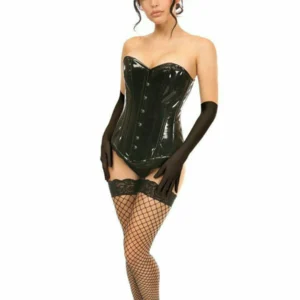
Lavish Hot Pink & Black Patent Overbust Corset by Daisy Corsets
Price range: $87.99 through $94.99 Select options This product has multiple variants. The options may be chosen on the product page Compare -
Lavish Ice Princess Corset Costume by Daisy Corsets
Price range: $110.00 through $116.00 Select options This product has multiple variants. The options may be chosen on the product page Compare -
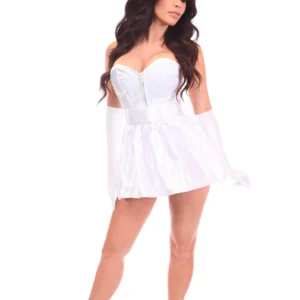
Lavish Innocent Angel Corset Costume by Daisy Corsets
Price range: $150.00 through $156.00 Select options This product has multiple variants. The options may be chosen on the product page Compare -
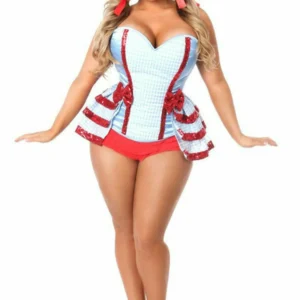
Lavish Kansas Girl Corset Costume by Daisy Corsets
Price range: $240.00 through $252.00 Select options This product has multiple variants. The options may be chosen on the product page Compare -
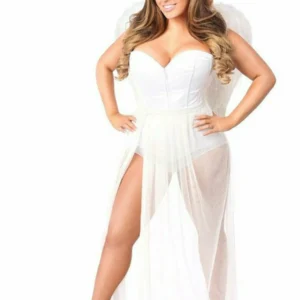
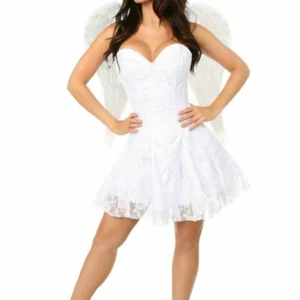
Lavish Lace Angel Corset Costume by Daisy Corsets
Price range: $110.00 through $116.00 Select options This product has multiple variants. The options may be chosen on the product page Compare -
Lavish Lace Bunny Corset Costume by Daisy Corsets
Price range: $110.00 through $116.00 Select options This product has multiple variants. The options may be chosen on the product page Compare -
Lavish Lace Cincher Bunny Corset Costume by Daisy Corsets
Price range: $100.00 through $106.00 Select options This product has multiple variants. The options may be chosen on the product page Compare -
Lavish Lace Corset Dress Costume by Daisy Corsets
Price range: $150.00 through $156.00 Select options This product has multiple variants. The options may be chosen on the product page Compare -
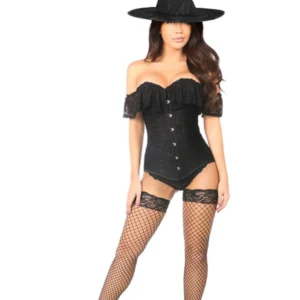
Lavish Lace Off The Shoulder Witch Corset Costume
Price range: $320.00 through $332.00 Select options This product has multiple variants. The options may be chosen on the product page Compare -
Lavish Lace Witch Corset Costume by Daisy Corsets
Price range: $220.00 through $226.00 Select options This product has multiple variants. The options may be chosen on the product page Compare -
Lavish Midnight Witch Corset Costume by Daisy Corsets
Price range: $100.00 through $126.00 Select options This product has multiple variants. The options may be chosen on the product page Compare -
Lavish Naughty Nurse Corset Costume by Daisy Corsets
Price range: $120.00 through $126.00 Select options This product has multiple variants. The options may be chosen on the product page Compare -
Lavish Patent Bunny Overbust Corset Costume by Daisy Corsets
Price range: $160.00 through $166.00 Select options This product has multiple variants. The options may be chosen on the product page Compare -
Lavish Premium Lace Witch Corset Costume by Daisy Corsets
Price range: $120.00 through $126.00 Select options This product has multiple variants. The options may be chosen on the product page Compare -
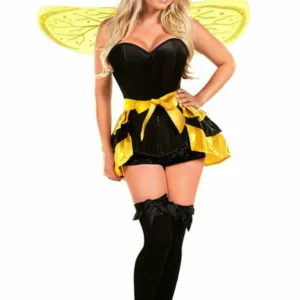
Lavish Queen Bee Corset Costume by Daisy Corsets
Price range: $190.00 through $196.00 Select options This product has multiple variants. The options may be chosen on the product page Compare -
Lavish Queen Bee Costume by Daisy Corsets
Price range: $150.00 through $156.00 Select options This product has multiple variants. The options may be chosen on the product page Compare -
Lavish Rhinestone Cop Costume by Daisy Corsets
Price range: $120.00 through $126.00 Select options This product has multiple variants. The options may be chosen on the product page Compare -
Lavish Sexy Angel Corset Costume by Daisy Corsets
Price range: $110.00 through $136.00 Select options This product has multiple variants. The options may be chosen on the product page Compare -
Lavish Sexy Bunny Corset Costume by Daisy Corsets
Price range: $110.00 through $126.00 Select options This product has multiple variants. The options may be chosen on the product page Compare -
Lavish Sexy Bunny Costume by Daisy Corsets
Price range: $140.00 through $146.00 Select options This product has multiple variants. The options may be chosen on the product page Compare -
Lavish Sexy Daring Dark Angel Corset Costume by Daisy Corsets
Price range: $110.00 through $116.00 Select options This product has multiple variants. The options may be chosen on the product page Compare -
Lavish Sexy Dark Angel Corset Costume by Daisy Corsets
Price range: $110.00 through $116.00 Select options This product has multiple variants. The options may be chosen on the product page Compare -
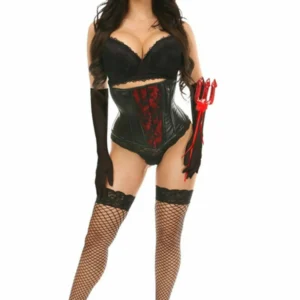
Lavish Sexy Devil Corset Costume by Daisy Corsets
Price range: $100.00 through $126.00 Select options This product has multiple variants. The options may be chosen on the product page Compare -
Lavish Sexy Devil Costume by Daisy Corsets
$120.00 Select options This product has multiple variants. The options may be chosen on the product page Compare -
Lavish Sexy Gothic Devil Corset Costume by Daisy Corsets
Price range: $110.00 through $116.00 Select options This product has multiple variants. The options may be chosen on the product page Compare -
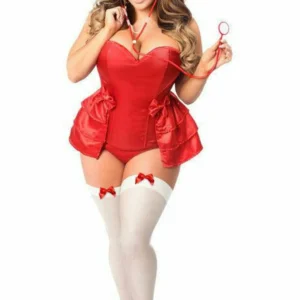
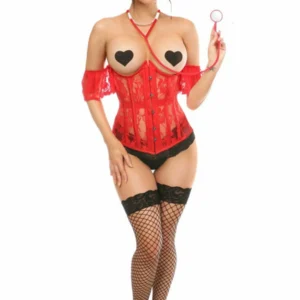
Lavish Sexy Nurse Corset Costume by Daisy Corsets
Price range: $100.00 through $126.00 Select options This product has multiple variants. The options may be chosen on the product page Compare -
Lavish Sexy Red Bunny Corset Costume by Daisy Corsets
Price range: $120.00 through $126.00 Select options This product has multiple variants. The options may be chosen on the product page Compare -
Lavish Sexy Superhero Costume by Daisy Corsets
Price range: $150.00 through $156.00 Select options This product has multiple variants. The options may be chosen on the product page Compare -
Lavish Sheer Lace Witch Corset Costume by Daisy Corsets
Price range: $110.00 through $116.00 Select options This product has multiple variants. The options may be chosen on the product page Compare -
Lavish Sheer Witch Corset Costume by Daisy Corsets
Price range: $100.00 through $106.00 Select options This product has multiple variants. The options may be chosen on the product page Compare -
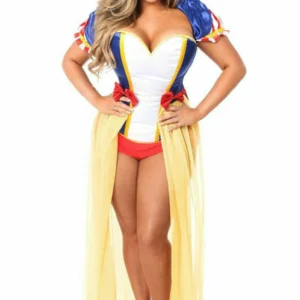
Lavish Snow Princess Costume by Daisy Corsets
Price range: $250.00 through $256.00 Select options This product has multiple variants. The options may be chosen on the product page Compare -
Lavish Spellbound Lace Witch Corset Costume by Daisy Corsets
Price range: $100.00 through $106.00 Select options This product has multiple variants. The options may be chosen on the product page Compare -
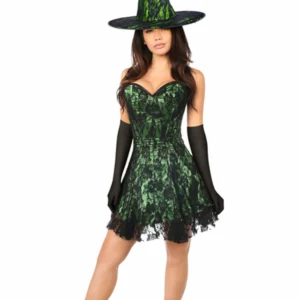
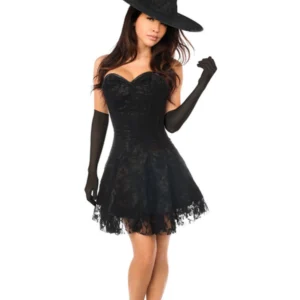
Lavish Sultry Witch Corset Dress Costume by Daisy Corsets
Price range: $150.00 through $156.00 Select options This product has multiple variants. The options may be chosen on the product page Compare -
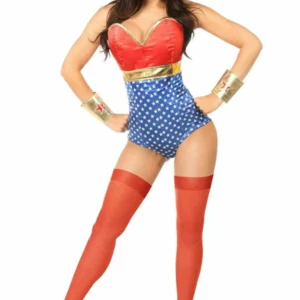
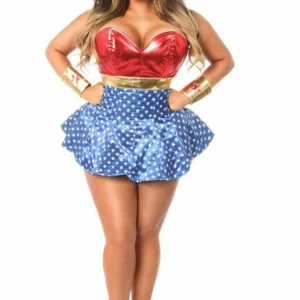
Lavish Superhero Corset Dress Costume by Daisy Corsets
Price range: $190.00 through $196.00 Select options This product has multiple variants. The options may be chosen on the product page Compare -
Lavish Sweet Lace Bunny Corset Costume by Daisy Corsets
Price range: $120.00 through $126.00 Select options This product has multiple variants. The options may be chosen on the product page Compare -
Lavish Velvet Bunny Corset Costume by Daisy Corsets
Price range: $110.00 through $116.00 Select options This product has multiple variants. The options may be chosen on the product page Compare -
Lavish Vinyl Bunny Corset Costume by Daisy Corsets
Price range: $100.00 through $136.00 Select options This product has multiple variants. The options may be chosen on the product page Compare -
Lavish White Bunny Corset Costume by Daisy Corsets
Price range: $120.00 through $126.00 Select options This product has multiple variants. The options may be chosen on the product page Compare -
Lavish Witch Corset Costume by Daisy Corsets
Price range: $220.00 through $232.00 Select options This product has multiple variants. The options may be chosen on the product page Compare -
Lavish Witchcraft Vixen Corset Costume by Daisy Corsets
Price range: $120.00 through $126.00 Select options This product has multiple variants. The options may be chosen on the product page Compare -
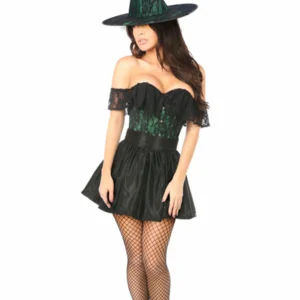
Top Drawer 2 PC Good Witch Corset Dress Costume by Daisy Corsets
Price range: $170.00 through $180.00 Select options This product has multiple variants. The options may be chosen on the product page Compare -
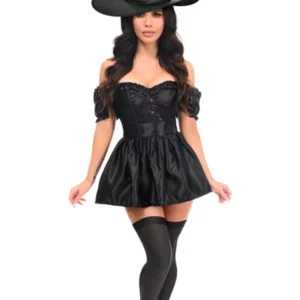
Top Drawer 2 PC Witch Corset Dress Costume by Daisy Corsets
Price range: $170.00 through $180.00 Select options This product has multiple variants. The options may be chosen on the product page Compare -
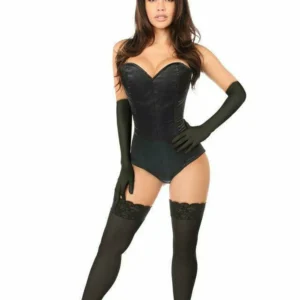
Top Drawer 3 PC Black Burlesque Dark Angel Corset Costume
Price range: $150.00 through $160.00 Select options This product has multiple variants. The options may be chosen on the product page Compare -
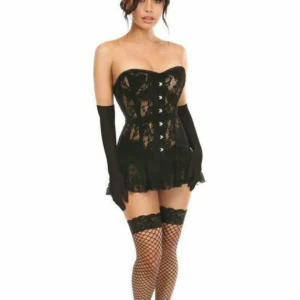
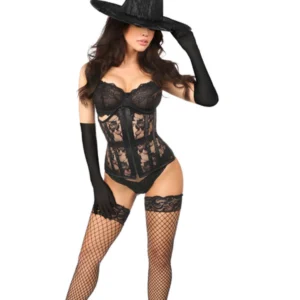
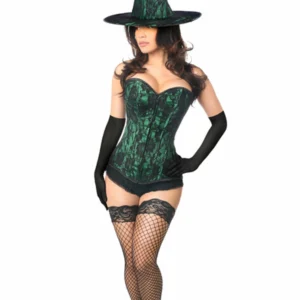
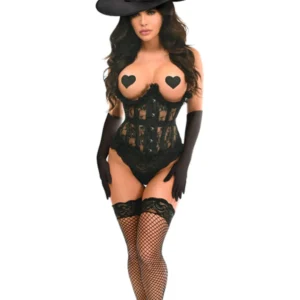
Top Drawer 3 PC Black Lace Witch Corset Costume by Daisy Corsets
Price range: $120.00 through $130.00 Select options This product has multiple variants. The options may be chosen on the product page Compare -
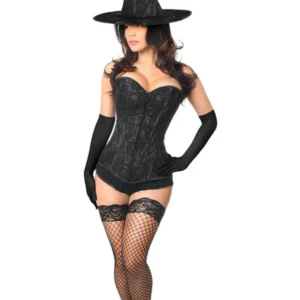
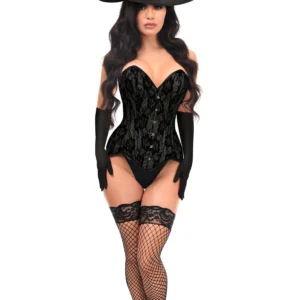
Top Drawer 3 PC Black Witch Corset Costume by Daisy Corsets
Price range: $160.00 through $170.00 Select options This product has multiple variants. The options may be chosen on the product page Compare -
Top Drawer 3 PC Brocade Bunny Corset Dress Costume
Price range: $170.00 through $180.00 Select options This product has multiple variants. The options may be chosen on the product page Compare -
Top Drawer 3 PC Killer Clown Corset Costume by Daisy Corsets
Price range: $200.00 through $210.00 Select options This product has multiple variants. The options may be chosen on the product page Compare -
Top Drawer 3 PC Premium Black Witch Corset Costume
Price range: $120.00 through $130.00 Select options This product has multiple variants. The options may be chosen on the product page Compare -
Top Drawer 3 pc Satin Pin-Up Witch Corset Costume
Price range: $110.00 through $120.00 Select options This product has multiple variants. The options may be chosen on the product page Compare -
Top Drawer 3 PC Sequin Witch Corset Dress Costume
Price range: $200.00 through $210.00 Select options This product has multiple variants. The options may be chosen on the product page Compare -
Top Drawer 3 PC Vampire Corset Costume by Daisy Corsets
Price range: $210.00 through $220.00 Select options This product has multiple variants. The options may be chosen on the product page Compare -
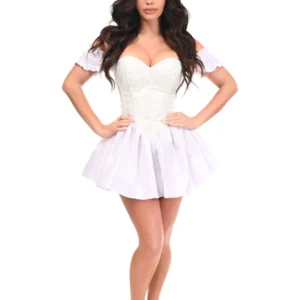
Top Drawer 3 PC White Satin Witch Corset Costume by Daisy Corsets
Price range: $160.00 through $170.00 Select options This product has multiple variants. The options may be chosen on the product page Compare -
Top Drawer 3 PC Wonderland Seeker Corset Dress Costume
Price range: $180.00 through $190.00 Select options This product has multiple variants. The options may be chosen on the product page Compare -
Top Drawer 4 PC Black Burlesque Bunny Corset Costume
Price range: $160.00 through $170.00 Select options This product has multiple variants. The options may be chosen on the product page Compare -
Top Drawer 4 PC Black Lace Bunny Corset Costume by Daisy Corsets
Price range: $120.00 through $130.00 Select options This product has multiple variants. The options may be chosen on the product page Compare -
Top Drawer 4 PC Black Lace Dark Angel Corset Costume
Price range: $120.00 through $130.00 Select options This product has multiple variants. The options may be chosen on the product page Compare -
Top Drawer 4 PC Black Lace Premium Pirate Corset Costume
Price range: $200.00 through $210.00 Select options This product has multiple variants. The options may be chosen on the product page Compare -
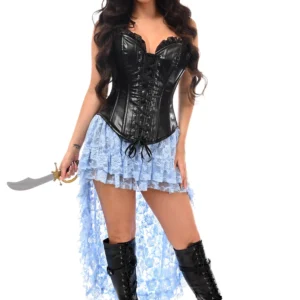
Top Drawer 4 PC Blue Lace Premium Pirate Corset Costume
Price range: $200.00 through $210.00 Select options This product has multiple variants. The options may be chosen on the product page Compare -
Top Drawer 4 PC Bunny Corset & Tutu Costume by Daisy Corsets
Price range: $140.00 through $150.00 Select options This product has multiple variants. The options may be chosen on the product page Compare -
Top Drawer 4 PC Bunny Corset Costume by Daisy Corsets
Price range: $160.00 through $170.00 Select options This product has multiple variants. The options may be chosen on the product page Compare -
Top Drawer 4 PC Dark Angel Corset Costume by Daisy Corsets
Price range: $160.00 through $170.00 Select options This product has multiple variants. The options may be chosen on the product page Compare -
Top Drawer 4 PC Devil Corset & Tutu Costume by Daisy Corsets
Price range: $140.00 through $150.00 Select options This product has multiple variants. The options may be chosen on the product page Compare -
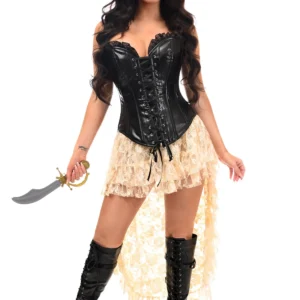
Top Drawer 4 PC Ivory Lace Premium Pirate Corset Costume
Price range: $200.00 through $210.00 Select options This product has multiple variants. The options may be chosen on the product page Compare -
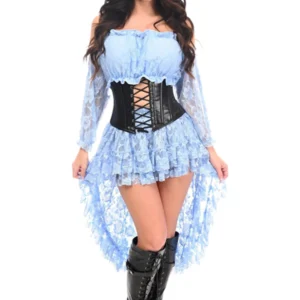
Top Drawer 4 PC Lt Blue Premium Pirate Corset Costume
Price range: $220.00 through $230.00 Select options This product has multiple variants. The options may be chosen on the product page Compare -
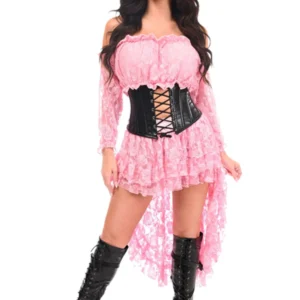
Top Drawer 4 PC Lt Pink Premium Pirate Corset Costume
Price range: $220.00 through $230.00 Select options This product has multiple variants. The options may be chosen on the product page Compare -
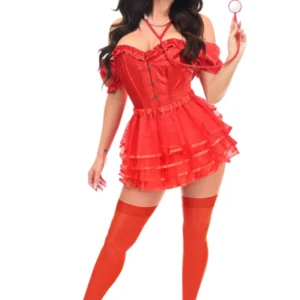
Top Drawer 4 PC Nurse Corset & Tutu Costume by Daisy Corsets
Price range: $140.00 through $150.00 Select options This product has multiple variants. The options may be chosen on the product page Compare



























Steel Boned Corsets Buying Guide
Steel boned corsets are the structural end of corsetry: garments built to hold a reduced waist for hours without folding, creasing or twisting. They take longer to break in than lingerie corsets and reward a careful choice, so it helps to know what you are looking at before you order.
Spiral Steel, Flat Steel and Double Boning
Two kinds of steel go into a well-made corset. Flat steel is rigid in every direction and sits beside the front busk and on either side of the back lacing, where it keeps the closures straight. Spiral steel is a coiled strip that bends sideways and follows the curve of the ribs and hips, so it fills the channels around the body. Double boning places two bones in each seam channel, which spreads pressure and stops the fabric wrinkling between seams when the corset is laced down. If a listing says steel boned but gives a low bone count, the steel may sit only at the closures, which gives far less hold.
Layers, Waist Tape and Grommets
A corset made for reduction usually has at least two layers: a strong inner layer, often cotton coutil or twill, and a fashion layer of satin, brocade, mesh or faux leather on top. The inner layer does the work and the outer one sets the look. A waist tape, a strip of ribbon sewn inside at the waistline, takes strain off the seams and keeps the corset from stretching over time. Grommets should be two-part and set into reinforced fabric so they cannot pull out under tension.
Overbust, Underbust and Cincher
An overbust steel boned corset supports the bust and works as a top, but it has to match your bust as well as your waist. An underbust leaves the bust free and fits a wider range of bodies, which makes it the usual first choice. A cincher is the shortest cut, covering only the waist, and is the easiest steel piece to wear under everyday clothes. Compare styles across Overbust Corsets and Underbust Corsets, or start with the wider Corsets guide.
Choosing the Size
Steel boned corsets are sized by the measurement of the corset when fully closed, not by dress size. Measure your natural waist snugly and choose a corset four to six inches smaller if you have laced before, or two to four inches smaller for a first piece. Then compare the rib, hip and torso length on the listing with your own, because a corset that is too short digs in when you sit and one that is too long presses against the thighs.
Seasoning a New Corset
Steel needs time to settle into your shape. For roughly the first ten wears, lace the corset snug rather than tight and keep each session to an hour or two, closing the gap a little more each time. This lets the bones curve to your body and the seams relax evenly. A corset pulled to its limit on day one can bend bones out of line and strain the grommets, and it rarely sits as smoothly afterwards.
Wearing It Well
Wear a thin cotton liner or fitted vest underneath, which keeps the inside clean and saves the corset from washing. Close the busk with the laces loose, then tighten from the waist loops outward in several passes. Bend from the hips instead of the waist, take the corset off before a large meal or any hard exercise, and never sleep in it. Ease the laces the moment anything feels too tight.
Care Between Wears
Wipe the lining with a damp cloth and mild soap; never soak or machine wash a steel boned corset, because water rusts the bones from inside. Let it air after each wear, hang it by the waist tape or lay it flat, and leave the laces loosely threaded so you do not have to relace from scratch next time.
Steel Boned Corsets FAQ
How many bones should a good corset have? Most well-made underbust corsets carry somewhere between twelve and twenty-six, counting the flat steels at the busk and the back.
Should the back lacing close completely? No. A gap of two to four inches is right and shows the corset was sized to shape you.
Can I wear one to a club? Yes; lace it a little looser than you would for photographs so you can dance and sit in comfort.
Is a modesty panel worth having? Yes if the back will be seen, since it hides skin through the lacing gap and stops the laces rubbing.