Wrist/Ankle Restraints
Showing 101–115 of 115 results
-

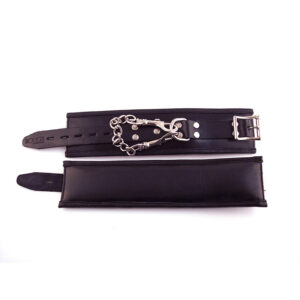
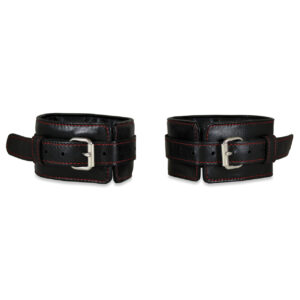
Rouge Padded Ankle Cuffs Black
$78.34 Read more Compare -
Rouge Wrist Cuffs, Padded Black
$69.00 Read more Compare -
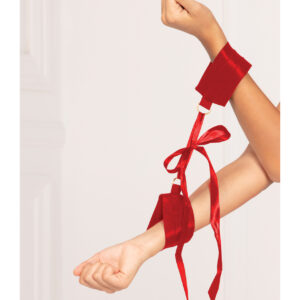
Seven ’til Midnight Satin Elastic Cuffs D-Ring & Satin Ribbon Tie
$11.99 Select options This product has multiple variants. The options may be chosen on the product page Compare -
Sinful Vinyl Wrist Cuffs Black
$26.10 Read more Compare -
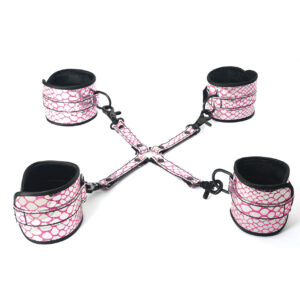
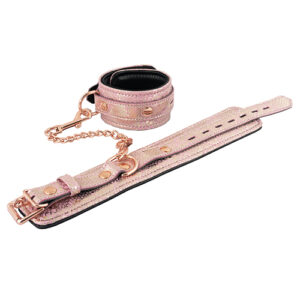
Spartacus Ankle Restraints w/Leather Lining – Pink Snakeskin Micro Fiber
$79.74 Read more Compare -
Spartacus Faux Fur Lining Ankle Restraints – Brown Floral Print
$60.99 Read more Compare -
Spartacus Faux Leather Wrist & Ankle Restraints w/Hog Tie
$59.04 Select options This product has multiple variants. The options may be chosen on the product page Compare -
Spartacus Galaxy Legend Faux Leather Ankle Restraints – Purple
$53.18 Read more Compare -
Spartacus Galaxy Legend Faux Leather Wrist Restraints – Purple
$52.12 Read more Compare -
Spartacus Organosilicone PU Wrist Restraints
$64.99 Read more Compare -
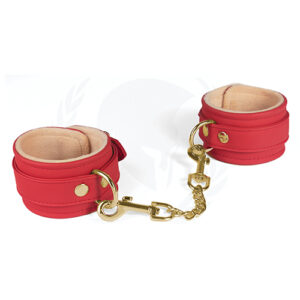
Spartacus PU Ankle Cuffs w/ Plush Lining – Red
$58.32 Read more Compare -
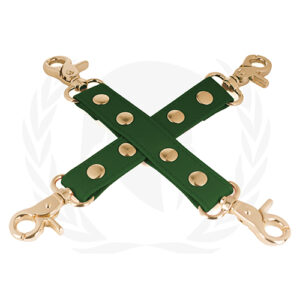
Spartacus PU Hog Tie w/ Gold Hardware – Green
$29.16 Read more Compare -
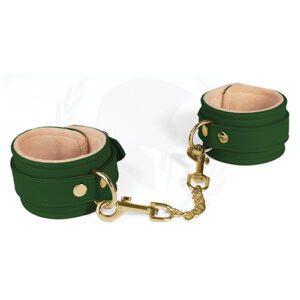
Spartacus PU Wrist Cuffs w/ Plush Lining
$55.62 Read more Compare -
Spartacus Wrist Restraints w/Leather Lining – Snakeskin Micro Fiber
Price range: $70.42 through $70.84 Read more Compare -
Sultra Lambskin Ankle Cuffs
$66.00 Read more Compare





Wrist/Ankle Restraints Buying Guide
Wrist/ankle restraints are the cuffs, straps and tethers that hold limbs in place: to each other, to a bed frame, to a door or to a spreader bar. They are the piece of bondage gear most couples buy first and the piece experienced players replace most often, because comfort over a long scene depends almost entirely on the cuff.
Width, Padding and Closure
A wider cuff spreads pressure over more skin. Two inches is a comfortable minimum for wrists; ankles can take wider. Padding or plush lining helps when someone will pull against the cuff, and it matters more than the outer material.
Closures come in three main types. Hook-and-loop straps are quick to fasten and release, and they make a sensible first pair. Buckles allow precise sizing and hold securely under strain. Locking cuffs accept small padlocks for the psychological weight of being locked in; only use them with the key in plain sight.
Leather, Faux Leather or Nylon
Real leather molds to the wearer over time, smells right to many kinksters and lasts for years with conditioning. Rouge Garments makes padded leather cuffs in this style. PU and faux leather cost less, wipe clean easily and suit vegans, though the surface can crack after heavy use.
Nylon webbing and neoprene, used by Sportsheets and the Fetish Fantasy Series, are machine washable and soft, a practical choice for people who play often or sweat.
Bed, Door and Hogtie Systems
Many wrist/ankle restraints in this section come as complete systems. Under-mattress straps run beneath the bed and bring a cuff out at each corner, so no posts or headboard are required. Over-the-door kits wedge a strap at the top of a closed door to hold arms overhead. Hogtie sets link wrists to ankles behind the body; save those for people with good flexibility, and keep sessions short.
Spreader bars and thigh cuffs hold legs open without the body weight resting on the joints. The Strict Thigh Cuff Restraint System by XR Brands is one example.
Choosing Wrist and Ankle Cuffs
Cuffs should be wide enough to spread pressure and padded on the inside. Plush-lined PU cuffs are comfortable and wipe clean; leather molds to the wrist and lasts years; jewelry-style cuffs with plated hardware look good but suit light restraint only. Check the closure: buckles hold securely, velcro is quicker but weaker, and locking cuffs add ritual. Look for D-rings that are welded or stitched firmly, since that is where the strain goes. Bed systems, tethers and kits help you connect cuffs to furniture. Leave room for a finger under each cuff and check hands and feet regularly.
Restraints Worth Considering
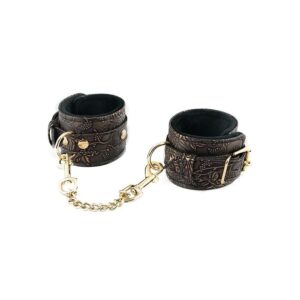
- Crave ICON Cuffs Tan/24kt Gold, for people who want restraints that read as accessories.
- Rouge Padded Ankle Cuffs Black, padded leather for longer scenes.
- Fetish Fantasy Cuff & Tether Set, a flexible starter kit.
- Coquette Pleasure Collection Cuffs, adjustable cuffs for a first try at restraint.
- Temptasia Ardor Wrist & Ankle Restraints Black w/Bow, a decorative pair for lighter play.
- Master Series Snip Heavy Duty Bondage Scissors W/ Clip, the safety tool every restraint drawer needs.
Rules for Restraint Safety
Fit wrist/ankle restraints so you can slide two fingers between cuff and skin. Check hands and feet every few minutes for cold, tingling, numbness or color change, and release at once if any appear. Never buckle a cuff over the inner wrist with the strap pulling on it, because nerves there sit close to the surface.
Agree on a safeword and a non-verbal signal before anything goes on, keep shears within arm's reach, and never leave a restrained person alone. Avoid tethering anything to the neck.
Cleaning and Storing Cuffs
Wipe leather wrist/ankle restraints with a damp cloth, let it dry naturally and condition it a few times a year. Faux leather takes a mild soap solution. Fabric cuffs can usually be hand washed and air-dried; remove any metal hardware first if possible. Store buckled cuffs open and flat so the straps do not develop kinks.
Wrist/Ankle Restraints FAQ
Can the same cuffs go on wrists and ankles? Some adjustable cuffs fit both, but ankle cuffs are usually larger. Check the circumference range listed.
Do I need a four-poster bed? No. Under-mattress straps and door anchors work with almost any bed or room.
How tight is too tight? If the two-finger test fails or the hand feels different, loosen it.